Cartoons: A Filter for Reality?
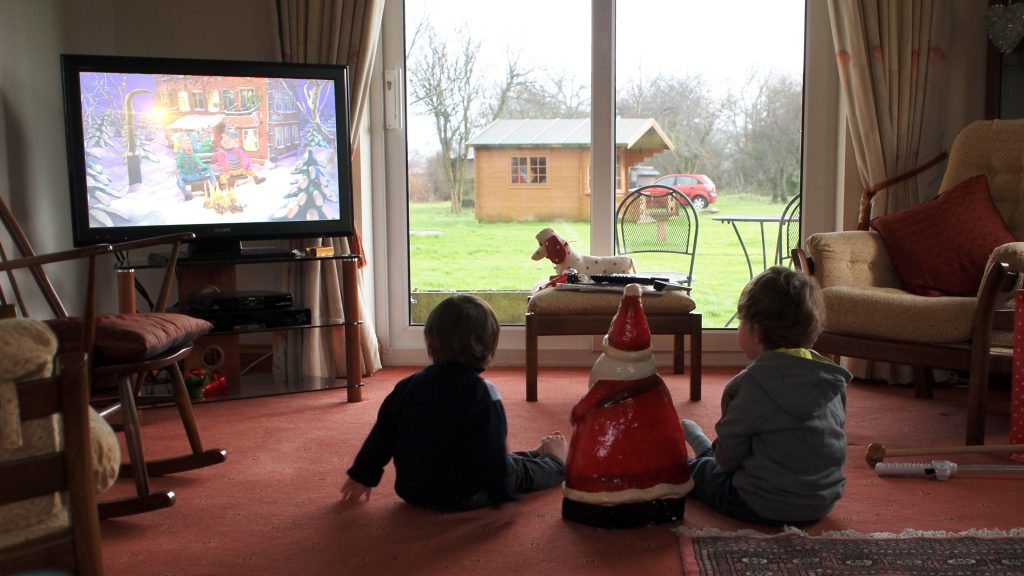
We like to think cartoons are a harmless source of entertainment for children. However, studies show that what our little ones see on screen can profoundly influence how they perceive the world, particularly people of different races. It appears that white children’s preference for shows with fewer Black characters was linked to a lower likelihood of playing with Black peers and holding less positive attitudes toward them.
High-Status Roles Matter
It’s not just about presence, but also the role. Shows lacking Black characters in high-status roles, such as authority figures, strengthened racial bias views in children. Furthermore, media with higher white-to-Black character ratios in high-status contexts increased children’s endorsement of intrinsic explanations for racial inequality. In other words, the underrepresentation of Black characters in respected positions contributed to racial bias views among study participants.
A Glimmer of Hope: The Role of Positive Examples
There is some good news, however. Exposure to positive Black exemplars reduced implicit pro-White bias in older children, around age 10. Unfortunately, this effect was not observed in younger children, around age 7. This suggests that the impact of positive representation may be gradual and requires a certain cognitive maturity to be fully assimilated. Therefore, efforts to promote diversity and equitable representation on screen are crucial to fostering a more inclusive society from childhood.
Did you know…?
- Q: Can a single type of show change children’s racial perceptions? A: Not necessarily a single one, but consistent exposure to certain media patterns can significantly influence the development of racial attitudes.
- Q: At what age are children most susceptible to developing racial biases due to media? A: Studies suggest biases can begin to form at early ages, but the impact of positive representation is more evident in older children, around age 10.