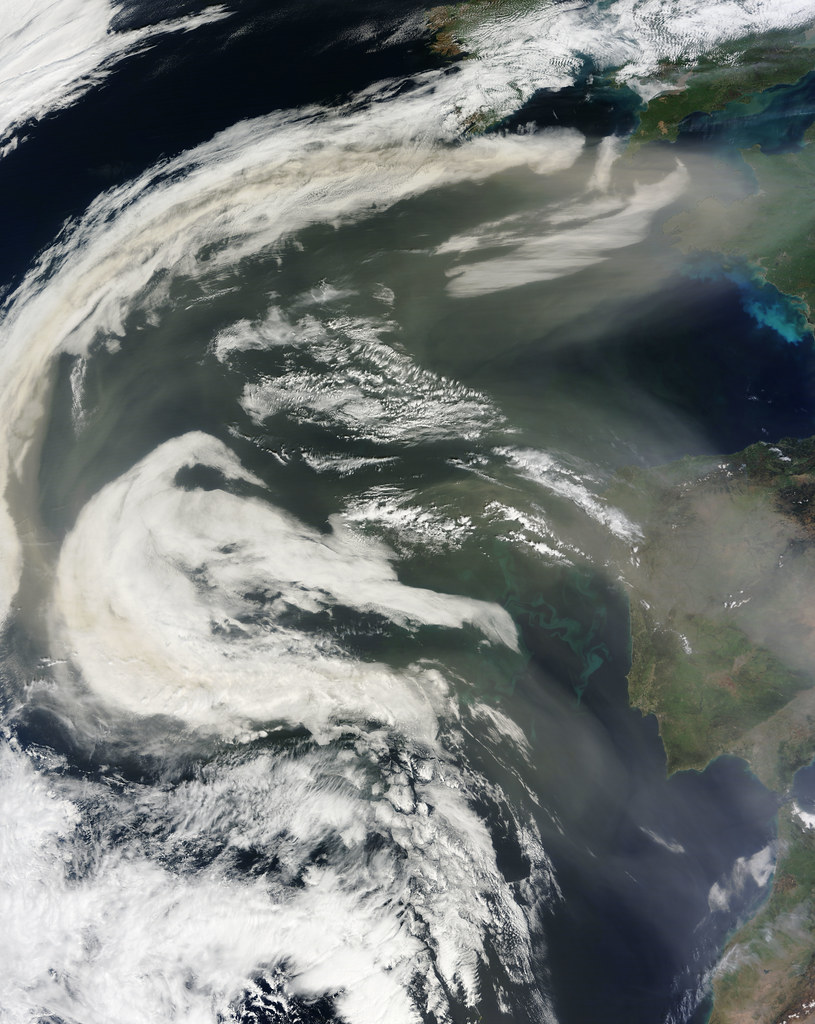
Over the past decade, Europe has experienced a noticeable increase in the frequency and intensity of Saharan dust plumes. While visually striking, these atmospheric events carry more than just exotic sand; they bring a host of challenges for public health and renewable energy generation.
A Dustier Decade
Recent research indicates a significant rise in Saharan desert dust reaching Europe, with an increase of 10–25% over the last ten years. This isn’t just a minor uptick; average concentrations in Southern Europe now stand at 5.3 micrograms per cubic meter (µg/m³), considerably higher than the 2.1 µg/m³ found in the northern parts of the continent.
The primary driver behind this growing phenomenon is the increasing desiccation of the Sahara desert. As global climate patterns shift, more land becomes arid and exposed, allowing strong winds to lift vast quantities of fine dust into the atmosphere, which are then carried across the Mediterranean by prevailing air currents.
Unseen Impacts: Health and Power
The consequences of this dust invasion are far-reaching. One of the most immediate and concerning impacts is on public health. Fine dust particles can exacerbate respiratory and cardiovascular diseases, potentially leading to an increase in daily mortality rates, particularly among vulnerable populations.
Beyond health concerns, Saharan dust also presents an economic challenge, notably for solar energy production. The dust clouds reduce the amount of solar radiation reaching the ground, and once settled on photovoltaic panels, the dust significantly decreases their efficiency. This translates into losses in electricity generation, impeding Europe’s renewable energy targets and sustainability goals.
Europe Under the Dust Cloud
The increasing presence of Saharan dust serves as a stark reminder of how interconnected our planet’s climate systems are. Changes in one region can have profound, cross-continental repercussions. Effective monitoring and the development of adaptive strategies are becoming crucial for managing the challenges posed by these natural phenomena, intensified by human impact on the environment.