Historic Moment in Space Exploration
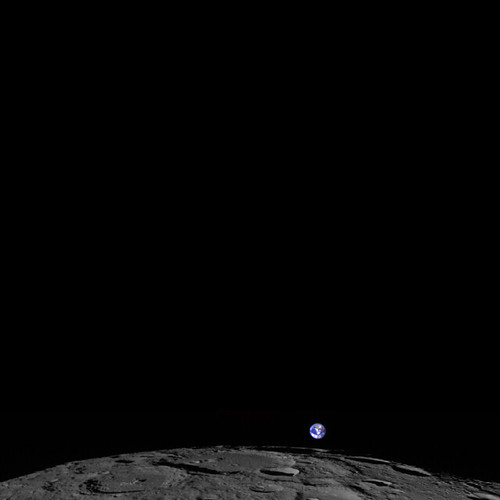
On April 6, 2026, the crew of the Artemis II mission achieved a remarkable feat by capturing historic images of the Moon’s far side. These photographs, taken during a lunar flyby, offer a unique perspective on a previously underexplored region. Aboard the Orion spacecraft, the four astronauts traveled farther into space than any human before them, marking a new chapter in the history of cosmic exploration.
Shadows and Light: The In-Space Solar Eclipse
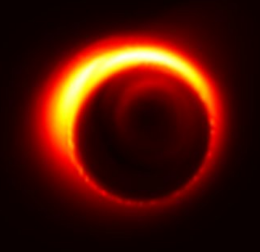
Among the spectacular images are photographs of an “in-space” solar eclipse, captured during the seven-hour lunar flyby. This rare event, seen from the spacecraft’s vantage point, added an extraordinary artistic and scientific dimension to the visual data collection. The images reveal fascinating details of the lunar landscape, offering researchers new insights into the Moon’s geology and formation.
A Gallery of Earthly and Lunar Memories
One day after the flyby, on April 7, 2026, NASA released a full gallery of these impressive images. They represent not only a testament to human ingenuity and technological progress but also an invaluable source of information for future lunar and planetary missions. Each photograph is a step forward in understanding our universe and in our continuous aspiration to explore the unknown.
Did you know…?
- Q: How many astronauts participated in the Artemis II mission and captured these images?
- A: Four astronauts were aboard the Orion spacecraft during the Artemis II mission.
- Q: When did NASA release the gallery of photos taken during the lunar flyby?
- A: NASA released the gallery of photos on April 7, 2026, one day after the lunar flyby.