A Growing Concern: Lung Cancer in Young People
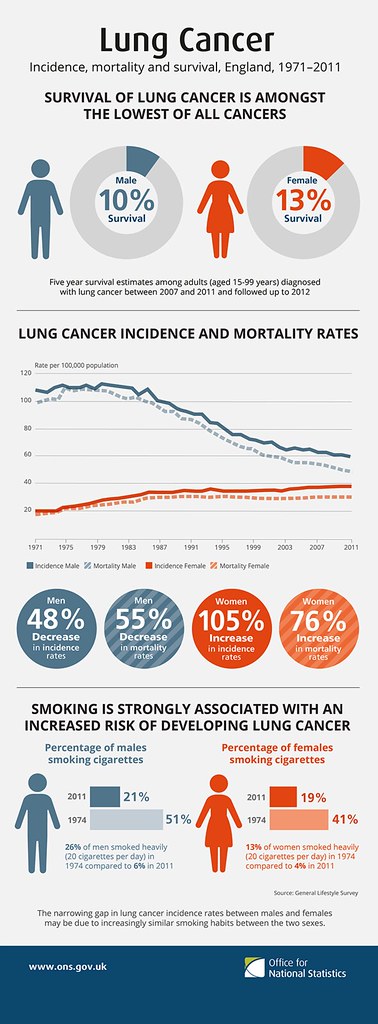
For a long time, lung cancer was primarily associated with smoking and advanced age. However, a troubling pattern has emerged: a rising number of young, otherwise healthy individuals who have never smoked are being diagnosed with this disease. This trend raises serious questions and highlights the critical need for a deeper understanding of the underlying risk factors.
Air Pollution and Genetic Mutations: Key Suspects
Researchers point to air pollution as a significant risk factor. Fine particulate matter from traffic, industry, and other sources can penetrate deep into the lungs, causing cellular damage and contributing to cancer development. Beyond external factors, a genetic predisposition is also observed. EGFR (epidermal growth factor receptor) genetic mutations are frequently found in young non-smoking women diagnosed with lung cancer. These mutations can drive unregulated abnormal cell growth. The combination of exposure to pollution and specific genetic vulnerabilities appears to create a fertile ground for the disease’s onset in this population.
The Surprising Link Between Diet and Risk
An unexpected but important finding is the potential connection between diet and cancer risk. Research suggests that a high intake of fruits and vegetables, while generally beneficial for health, could be linked to an increased risk of lung cancer under certain conditions. The explanation is complex and may involve exposure to pesticides used in agriculture, which are present on these foods. It is essential to understand that this does not undermine the benefits of a balanced diet but rather emphasizes the need for further investigation into the quality and source of consumed foods, as well as the potential impact of pesticide residues.