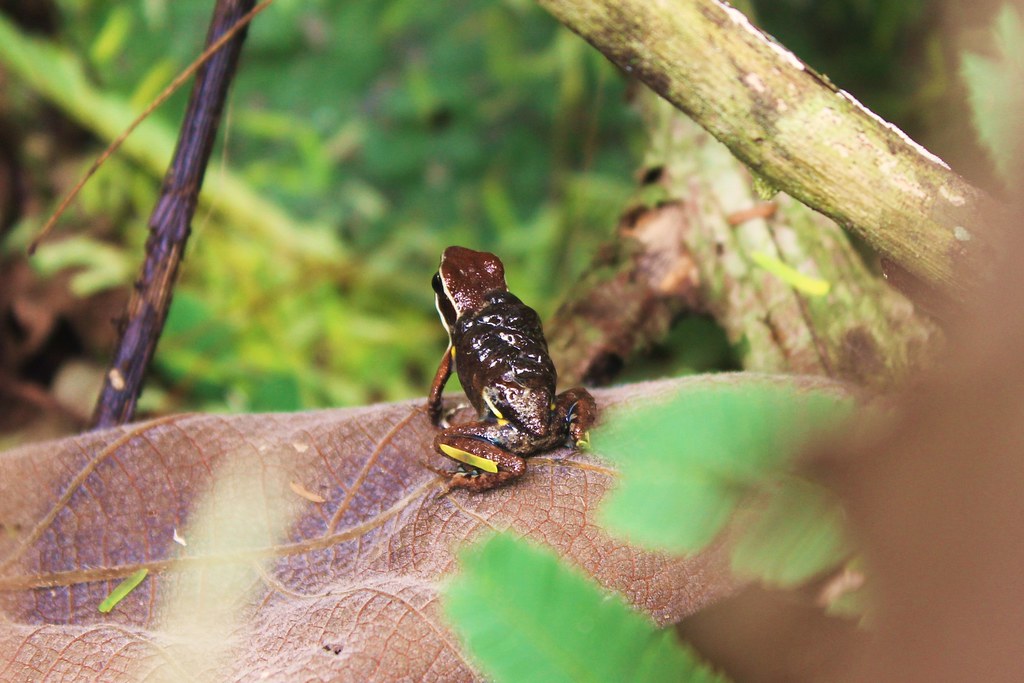
Toads: Immune System Champions?
Globally, the chytrid fungus Batrachochytrium dendrobatidis, or Bd, has decimated amphibian populations. Yet, in a long-standing mystery, some toad populations have managed to resist this fierce pathogen. Now, recent research sheds light on this enigma, revealing a remarkable immune secret.
Studies show that toads surviving the deadly Bd infection do so thanks to essential immune peptides. These peptides aren’t equally effective in all toads. The key lies in their diversity and the timing of their maturation.
The Key to Survival: Tadpole Peptides
The central discovery is that toads with a greater diversity of immune peptides in their larval (tadpole) stage thrive, even amidst Bd outbreaks. Furthermore, research has shown that immune defenses mature earlier in toad groups that have managed to recover from Bd epidemics.
Essentially, if these peptides ‘do their job’ on time, meaning in the tadpole phase, adult toads are much better prepared to face the fungus. Toads lacking sufficient tadpole peptides experience high mortality from Bd infection. This highlights the crucial importance of early life stages for developing resilience.
A Pivotal Study for Amphibian Future
Scientists published an extensive study in 2026 detailing why certain toad populations can survive the chytrid fungus. These findings are not only important for understanding amphibian biology but also for conservation efforts. Identifying these resistant populations and understanding their defense mechanisms could provide new strategies for protecting vulnerable toad species worldwide. It’s a significant step forward in the fight against one of the most destructive wildlife pathogens.