Spectacular Discovery in Dakhla Oasis
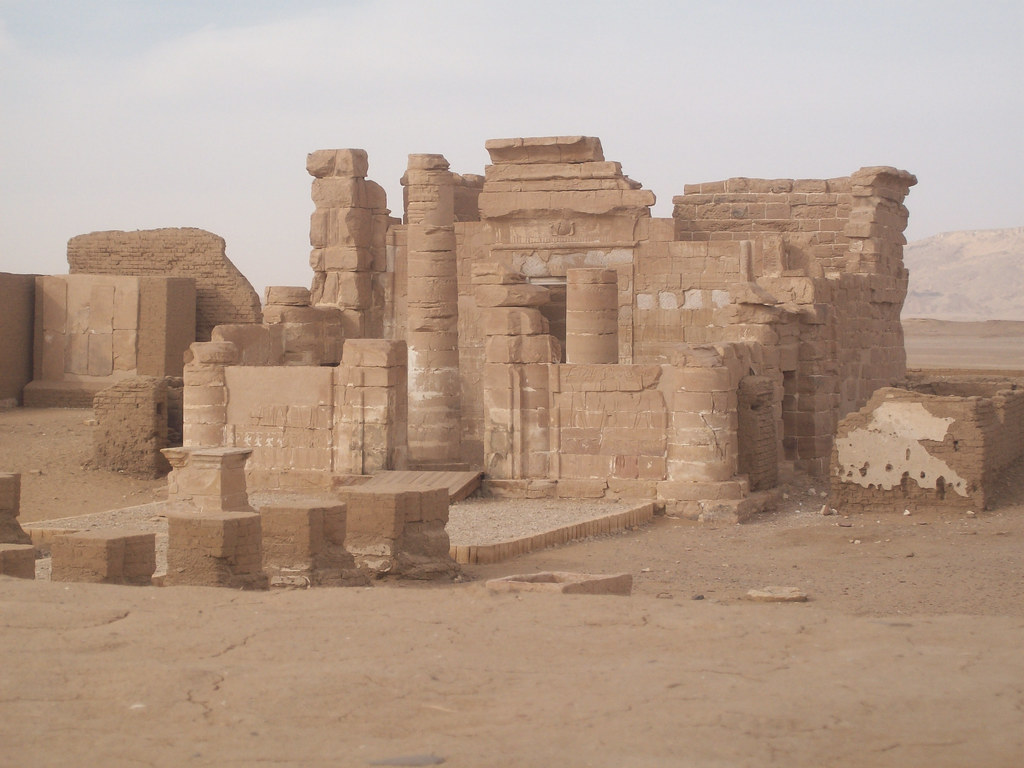
Can you imagine an entire city, hidden beneath the desert sands, just waiting to reveal its secrets? That’s exactly what recently happened in western Egypt’s Dakhla Oasis. Archaeologists have made an astonishing discovery: a 1,600-year-old Byzantine-era town, offering a fascinating glimpse into life many centuries ago.
Announced by Egypt’s Ministry of Tourism and Antiquities in July 2026, this research has brought to light a remarkable archaeological site. Among the most exciting artifacts are approximately 200 ostraca – pottery shards used as writing surfaces. These, inscribed in Coptic and Greek, are true time capsules, providing invaluable insights into the history and culture of the former inhabitants.
Daily Life in Antiquity
Beyond these messages from the past, bronze coin banks decorated with portraits of Byzantine emperors were also found. The fascination doesn’t stop there: gold coins dating from the reign of Constantius II (337-361 AD) were discovered, a true treasure for historians and numismatists.
The city’s structure is equally impressive. Researchers identified a Christian basilica, suggesting a flourishing religious community. In addition to the place of worship, the site includes residential houses, bread ovens, and kilns, offering a comprehensive picture of daily life. The presence of two watchtowers also indicates a concern for the city’s safety and defense during a turbulent era.
Byzantine Legacy in the Desert
This discovery underscores the importance of the Dakhla Oasis as a vibrant center during the Byzantine Empire. In an area that is predominantly desert today, there once existed an active community with well-developed infrastructure and intense religious and economic life. Each artifact uncovered is a piece of the puzzle that helps us better understand the complexity and diversity of the ancient world.